
Activities
Bernardine Evaristo Asks You to Reimagine a Reversed World
Bernardine shares about why subverting history was key to opening up a different conversation about the horrors of the Transatlantic slave trade, why it’s so important to go for what you want and the value of perservering no matter what.
The flip in Blonde Roots is important because it helps us see history in a new way. By imagining a world where Black people are the ones in power and white people are enslaved, the story makes us think about how unfair and painful slavery is—no matter who it happens to. Bernardine uses this role reversal to challenge the idea that the way things happened in history was natural or unchangeable. It shows that racism and inequality are created by people and systems, not by skin colour. This helps us understand the impact of real history and encourages us to think about fairness, power, and how we can build a more equal future. The below activity asks you to think about what society would look like if Blonde Roots was reality.
Activity
In Blonde Roots, Bernardine boldly reimagines history by reversing the roles in the transatlantic slave trade: Black people are the colonisers and enslavers, while white people are the enslaved.
Now, imagine what that world might look like in more detail.
What systems would exist in a society built on this reversed history? How would politics, education, culture, and economics function? Who would hold power, and why? Would privilege be determined by skin colour, class, gender, or geography—or something else entirely?
Would people be born with equal opportunities, or would inequality be embedded into the foundations of society? How might global history—wars, revolutions, inventions, borders—have unfolded differently under this flipped power structure?
Use your imagination, but ground it in what we know about how systems of oppression work. This is an opportunity to explore how deeply race and power shape the world we live in—and what it would mean if that story had been told another way.
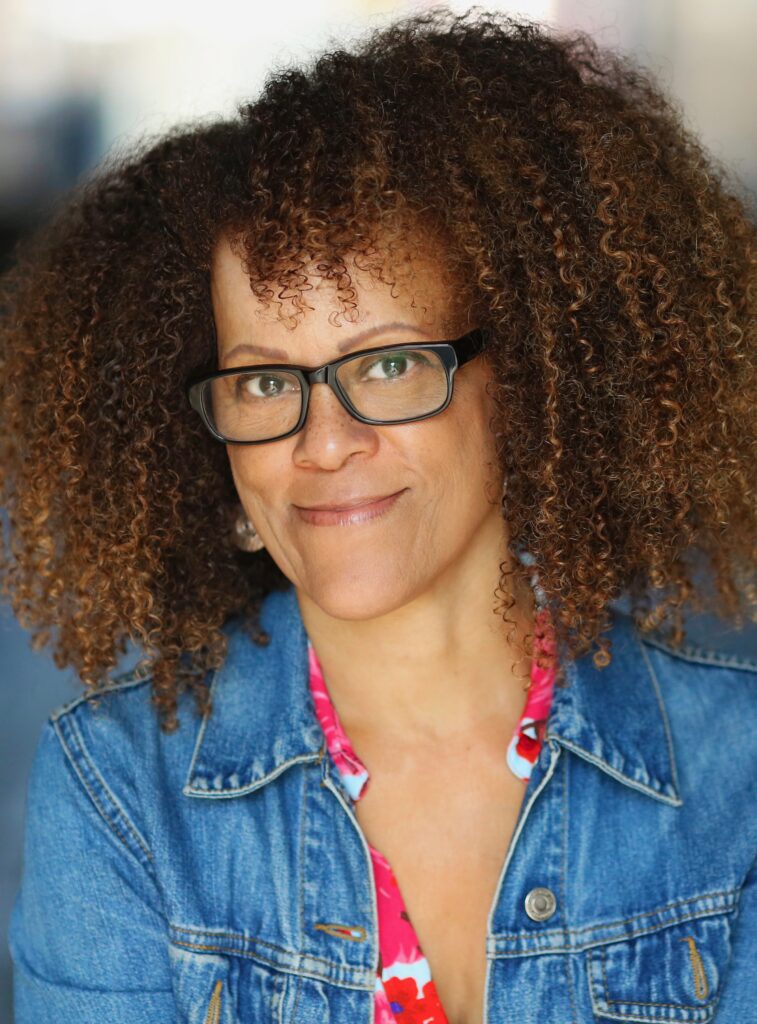
Bernardine Evaristo
Bernardine Evaristo is an author and academic. Her novel Girl, Woman, Other jointly won the Booker Prize in 2019 alongside Margaret Atwood’s The Testaments, making her the first Black woman to win the Booker.


